
Missing teeth can put a damper on some of the best things in life. Even if you lack just a single tooth you might
find that you struggle to eat and talk as freely as you would like.
Thankfully, these problems don’t
have to last forever. There are plenty of ways to fill the openings in your smile. Dental bridges from the Rancho Bernardo dental practice of Nelson Y. Howard, D.D.S. can make your smile shine and gaps disappear. If
you’re interested in learning more, give us a call and we’ll
talk to you about what this procedure can do.


A dental bridge is a prosthetic device designed to replace missing teeth. Visually, it consists of one or more false teeth, known as pontics, held in place by crowns attached to the adjacent natural teeth or implants. Dental bridges restore the function and aesthetics of a smile, making them ideal for individuals missing one or several teeth. Suitable candidates are those with strong adjacent teeth or implants that can support the bridge. These bridges are typically made from durable materials like porcelain, ceramics, or metal alloys to mimic the natural appearance and strength of teeth.

Choosing the right type of dental bridge is crucial. During a consultation, we will assess your specific needs, the health of your remaining teeth, and your aesthetic goals to recommend the most appropriate bridge. The decision is influenced by factors such as the location of the missing tooth, the condition of adjacent teeth, and personal preferences regarding materials and budget.
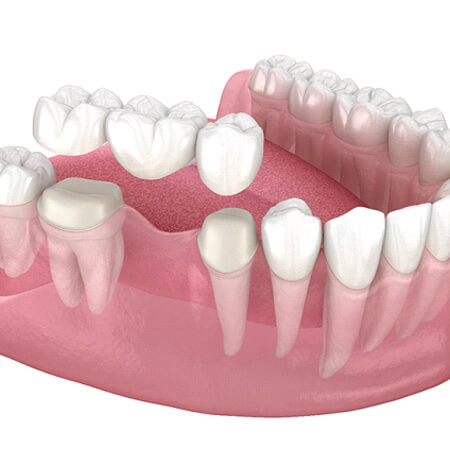
Traditional dental bridges involve creating a crown for the teeth on either side of the missing one, with a pontic in between. This type is highly beneficial for restoring your smile by filling the gap, improving chewing function, and preventing remaining teeth from shifting out of place. It is a cost-effective solution that blends seamlessly with natural teeth, enhancing overall oral health.
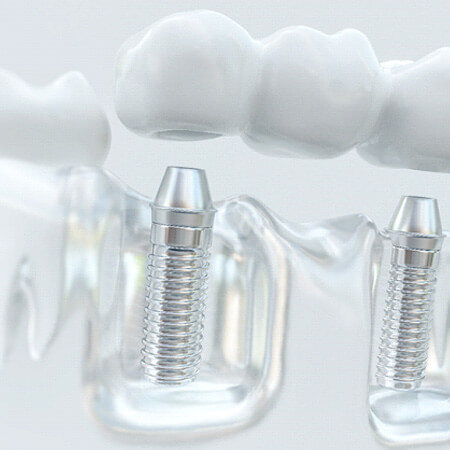
Implant bridges utilize dental implants as support instead of crowns on adjacent teeth. This approach preserves the integrity of surrounding teeth by eliminating the need to shape them into supports, which is often required for traditional bridges. The benefits include enhanced stability, a natural feel, and the prevention of bone loss in the jaw, contributing to a healthier oral structure and improved long-term outcomes.

Neglecting to replace missing teeth can lead to several issues, including teeth shifting into the gap, misalignment, decreased self-confidence, difficulty eating, and an increased risk of oral health problems. A dental bridge addresses these problems by providing a fixed replacement that improves both function and appearance. By filling the gap, bridges help maintain the alignment of your teeth, enhance your ability to speak and chew, and boost your confidence with a complete smile. Consider scheduling a consultation with us to explore how a dental bridge can benefit you and restore the full function and aesthetics of your smile.
No, a dental bridge is not designed to be taken out by anyone other than a qualified dentist. Since the restoration will be cemented in place, attempting to remove it yourself could harm your healthy teeth or gum tissue. If you’re experiencing issues with your dental crown in San Diego, please let our team know so we can examine it and safely take it out if necessary!
On average, a dental bridge should last somewhere between 10 and 15 years. That said, certain habits can affect the lifespan of your restoration. For example:
A dental bridge made out of porcelain or ceramic will look quite natural. These materials are known for having an incredibly realistic texture, shine, and shade. A metal bridge, while more durable, will stick out and can be more noticeable the closer it is to the front of your smile.
If you need multiple bridges, one thing we can do is create the ones closer to the front-facing portion of your smile out of aesthetic materials, and create the ones towards the back of your mouth out of metal. Ultimately, though, the best choice for you depends on your treatment needs and preferences.
Technically, neither porcelain, ceramic, or metal crowns can develop cavities. However, the natural teeth underneath the crowns on either end of your restoration can. If these crucial supporting teeth become weakened or damaged due to cavities, your bridge could become destabilized and fall out. In other words, it’s still important to maintain good oral hygiene habits!
A sulcus brush makes cleaning the space between your restoration and gums a breeze. This special tool has a bundle of soft bristles on the end of a wire handle. Thanks to its small size, it can easily be slipped underneath your bridge and used to scrub the area of harmful bacteria.
