
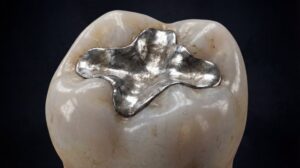
For decades, silver-colored amalgam fillings were the standard treatment for repairing cavities. These fillings are durable and have helped millions of people preserve their teeth. However, advancements in dental materials have made tooth-colored composite fillings an attractive alternative. If you still have older metal fillings, you may be wondering whether it’s worth replacing them. While not every metal filling needs to be removed, there are several reasons your dentist may recommend an upgrade.
Cracks, Wear, or Leaks
Like any dental restoration, metal fillings don’t last forever. Over time, they can wear down, crack, or loosen due to years of chewing and temperature changes. When this happens, bacteria can seep into the small gaps around the filling, increasing the risk of new decay beneath it.
During routine dental checkups, your dentist can evaluate the condition of your fillings and determine whether replacement is necessary to protect the tooth from further damage.
A More Natural-Looking Smile
One of the biggest reasons patients choose to replace metal fillings is aesthetics. Amalgam fillings are easily visible when you smile or laugh, especially if they’re located in the front or side teeth.
Tooth-colored composite fillings are carefully matched to the natural shade of your teeth, making them blend in seamlessly. Replacing noticeable metal fillings can give your smile a more youthful and attractive appearance without changing the shape of your teeth.
Preserve More Natural Tooth Structure
Composite fillings bond directly to the tooth, allowing your dentist to preserve more healthy enamel during treatment. Metal fillings rely more on mechanical retention, which may require removing additional tooth structure to help keep the filling in place.
By conserving more of your natural tooth, composite fillings can contribute to a stronger overall restoration.
Improved Comfort and Performance
Metal fillings expand and contract as they heat up and cool down. After many years, this repeated movement may contribute to small cracks or fractures in the surrounding tooth structure.
Composite fillings respond differently and create a strong bond with the tooth, helping support the remaining enamel while restoring normal function. Modern composite materials are also highly durable and can withstand the everyday forces of chewing when properly cared for.
Is Replacement Always Necessary?
Not every metal filling needs to be replaced simply because it’s old. If an amalgam filling is in good condition and the surrounding tooth is healthy, your dentist may recommend leaving it in place and monitoring it during routine exams.
However, if a filling is damaged, leaking, worn, or affecting the appearance of your smile, replacement may be the best option.
If you have older metal fillings, ask your dentist whether they should be evaluated. A thorough examination can determine if replacement would improve the health, function, or appearance of your smile. With today’s advanced tooth-colored materials, restoring your teeth can provide both lasting durability and natural-looking results.
About the Author
Dr. Nelson Y. Howard is a highly experienced professional with more than 37 years spent in the dental field. He graduated from the UCLA School of Dentistry in 1986 before completing a one-year General Practice Residency at the V.A. Medical Center in West Los Angeles. He is one of only 490-plus dentists in the world to become an accredited member of the American Academy of Cosmetic Dentistry and is also a member of the American Society for Dental Aesthetics and a founding member of the West Coast Society for Cosmetic Dentistry. If you’re interested in getting tooth-colored fillings, book online or call (858) 451-0550.